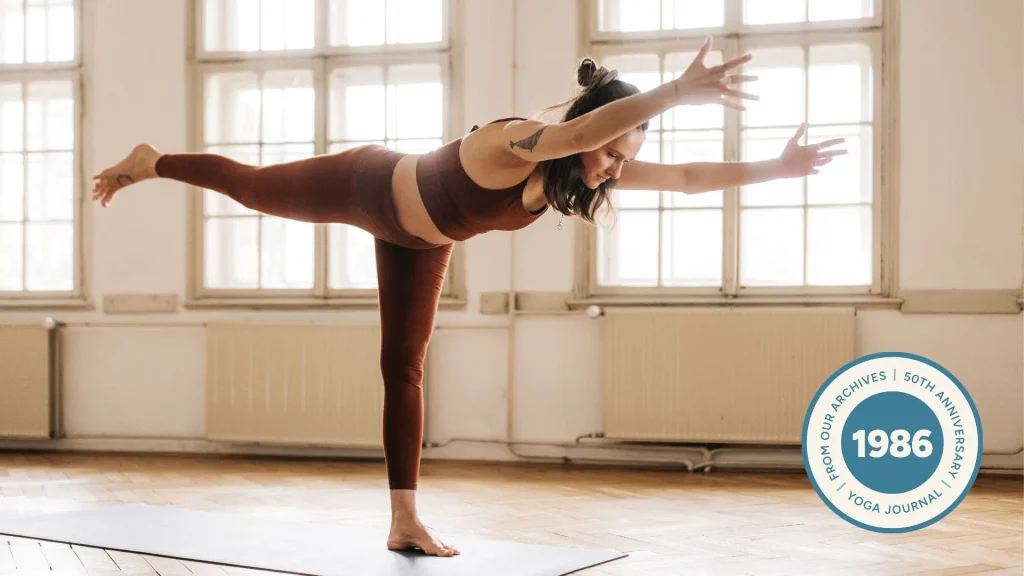
Warrior 3 Pose, or Virabhadrasana III, is a fundamental standing posture in yoga that combines strength, balance, and mindfulness. Known for its demanding physical alignment, this pose challenges nearly every major muscle group while fostering a deep sense of centeredness. Beyond the physical benefits, Warrior 3 encourages practitioners to cultivate mental focus, awareness, and a connection between the body and mind.
Why Warrior 3 is Important
Virabhadrasana III is not typically offered to absolute beginners due to its physical and mental demands. The pose strengthens the trunk, legs, buttocks, and many shoulder muscles, while also enhancing core stability. Unlike simpler standing poses, Warrior 3 requires careful attention to the alignment of the hips, spine, and shoulders. Maintaining this alignment allows the practitioner to balance effectively while stretching the body in a single, continuous line.
The true essence of Warrior 3 lies in connecting physical strength with mindfulness. The pose emphasizes stretching from the center of the body rather than initiating movement from the limbs. This approach cultivates awareness, teaching students that balance in yoga—and in life—originates from a stable, centered foundation.
Centered Awareness: The Core of Warrior 3
A unique aspect of Virabhadrasana III is its focus on the body’s center. The abdominal muscles act as the stabilizing core, while the arms and extended leg create the outward line of stretch. When practiced mindfully, the pose allows a sense of growth from the center outward, similar to the way energy radiates in nature.
This principle of centeredness translates into life off the mat as well. Daily challenges, distractions, and stress can often pull attention to the periphery of consciousness. Warrior 3 teaches that true balance arises from being fully present and aware of the moment. By grounding oneself in the center, both physical and emotional stability are enhanced, allowing a practitioner to respond to life with clarity and calm.
Step-by-Step Guide to Warrior 3
1. Set Your Foundation
Begin with a wide stance, ensuring your feet are well-placed and balanced. Turn the right foot out 90 degrees while angling the back foot approximately 75 degrees. Align the heels for improved stability. Engage the leg and core muscles, establishing a solid foundation for the pose.
2. Extend and Align
Inhale, raising your arms overhead and stretching upward. Exhale, rotate the torso to face the direction of the front foot. Bend the front knee so that the shin forms a 90-degree angle to the floor and the thigh remains as parallel as possible. Continue to lift through the arms, keeping the pelvis level and avoiding tipping forward.
3. Transition to Balance
Exhale and lean forward over the bent knee while maintaining a lifted chest and engaged arms. Gradually shift weight onto the front foot, extending the back leg diagonally behind you. Your body should form a straight line from fingertips to heel. Soft, controlled breathing helps maintain balance and focus.
4. Holding the Pose
Maintain the position for several breaths, gradually increasing duration as stability improves. Keep the abdominal muscles engaged and the pelvis even. Focus on the sensation of the stretch originating from your core rather than the limbs. This approach fosters both physical alignment and mindful awareness.
5. Exiting Safely
To release, bend the standing knee slightly and lower the back leg. Return to the starting position with arms raised, exhaling fully. Reset the feet and repeat the pose on the opposite side to ensure balance and symmetry.
Common Mistakes and Adjustments
- Tipping the pelvis: Keep hips level to avoid strain and enhance balance.
- Collapsing the chest: Maintain a lifted chest and straight spine.
- Shifting weight improperly: Focus on distributing weight evenly across the standing foot.
- Neglecting the core: Engage abdominal muscles throughout to stabilize the pose.
For students struggling with balance, using a wall or sturdy chair for support can help build confidence. Hands on the wall or chair back provide a reference point, allowing focus on alignment and core engagement without sacrificing safety.
Physical Benefits of Warrior 3
Warrior 3 strengthens multiple muscle groups simultaneously, including:
- Quadriceps and hamstrings
- Gluteal muscles
- Core and lower back
- Shoulders and upper back
In addition to building strength, the pose enhances flexibility in the hips and shoulders. Improved posture, coordination, and muscular endurance are also notable outcomes. Athletes and yoga practitioners alike benefit from the pose’s ability to cultivate balance and body awareness.
Mental and Emotional Benefits
The physical demands of Warrior 3 are mirrored by its mental challenges. Remaining balanced requires full attention, encouraging the practitioner to focus on the present moment. This integration of mind and body promotes:
- Increased concentration
- Enhanced awareness of body alignment
- Reduced stress and mental distraction
- A sense of calm and centeredness
By connecting movement with mindful awareness, Warrior 3 serves as a meditation in motion, teaching practitioners to approach challenges with composure and stability.
Incorporating Warrior 3 Into Your Yoga Practice
Warrior 3 can be included in a variety of sequences:
- Standing sequences: Transition from Warrior 1 or 2 into Warrior 3 for flow and strength.
- Balance-focused sessions: Use it alongside Tree Pose or Half Moon Pose to improve equilibrium.
- Core and strength routines: Combine with plank variations, boat pose, or chair pose to enhance core stability.
For deeper practice, hold the pose longer or incorporate small movements, such as lifting the arms overhead or slightly bending and straightening the supporting leg. These variations challenge balance, proprioception, and muscular endurance.
Warrior 3 as a Life Lesson
The teachings of Warrior 3 extend beyond the yoga mat. Just as the pose requires centeredness to maintain balance, life calls for focus, awareness, and presence. By engaging fully with each moment, both physically and mentally, one cultivates resilience and stability.
The alignment of the body mirrors alignment of intention. Stretching from the center outward encourages the practitioner to operate from a grounded foundation, approaching challenges with strength and clarity. Over time, this awareness becomes habitual, supporting balance in both yoga and everyday life.
Conclusion
Warrior 3 (Virabhadrasana III) is a powerful pose that combines physical strength, flexibility, and mental focus. By emphasizing alignment from the center outward, practitioners develop balance, stability, and mindfulness. Whether incorporated into a daily yoga practice or explored as a challenging standalone posture, Warrior 3 teaches the importance of presence, awareness, and centered living. Mastery of this pose offers not only physical benefits but also a deeper understanding of balance in life itself.