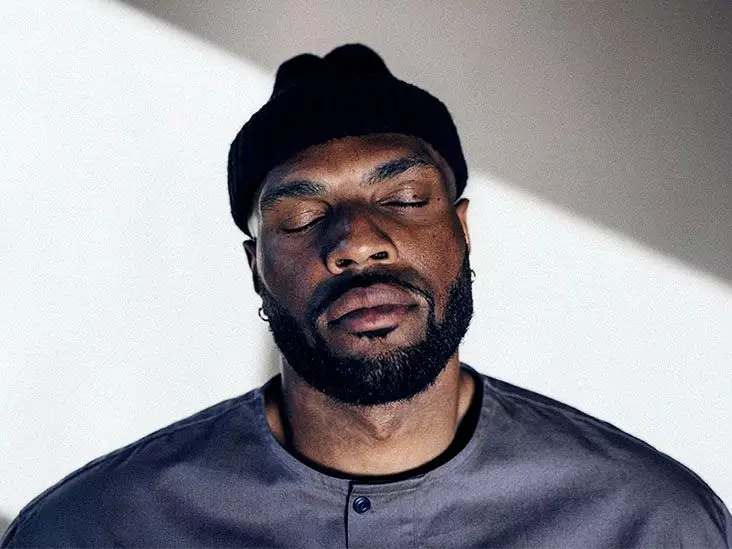
Yoga has long been more than a physical practice; it is a lens through which society explores consciousness, culture, and human potential. Looking back over the last fifty years, the themes and debates around yoga reveal both continuity and evolution. From psychedelics and gurus to pop culture, aging, and online practices, these conversations illustrate how yoga has remained relevant across generations—and how it continues to adapt.

Yoga and Pop Culture: From Fringe to Mainstream
Yoga’s journey in the West has been gradual yet transformative. While the practice arrived in the United States in the late 1800s, it wasn’t until the 1990s that yoga began to appear prominently in mainstream culture. Celebrities like Madonna, Sting, and Oprah publicly embraced yoga, highlighting its physical, mental, and spiritual benefits. Magazines, movies, and television shows followed suit, bringing yoga into the public consciousness.
Today, yoga is ubiquitous. Hot yoga studios, influencer-led content, and branded events dominate the landscape. Yet this mainstreaming has raised perennial questions: when does yoga stop being a spiritual practice and become a commercialized trend? The tension between authenticity and popularization remains a defining conversation.
Psychedelics and Yoga: Altered States Then and Now
Yoga has historically intersected with explorations of consciousness, often paralleling the use of psychedelics. In the 1970s, hallucinogens were part of broader discussions about Eastern spirituality, inviting altered perspectives and introspection. Articles explored marijuana and its societal implications, sometimes raising concerns about susceptibility to external influence.
By the 1980s and 1990s, perspectives shifted. The message was clear: while psychedelics could offer temporary access to altered states, sustainable consciousness could be cultivated through yoga, meditation, and ritual. Today, the dialogue around psychedelics is primarily therapeutic. Substances like psilocybin, ketamine, and ayahuasca are increasingly used in guided settings to explore the subconscious, manage trauma, or enhance self-understanding. Marijuana, once controversial, is now widely legalized in numerous countries and integrated into lifestyle practices, including yoga classes tailored for cannabis enthusiasts. These ongoing conversations underscore yoga’s enduring relationship with altered states of awareness.
Aging and Yoga: Acceptance Over Avoidance
The cultural perception of aging has evolved alongside yoga. In the 1990s, spiritual leaders emphasized “spiritual eldering,” framing aging as an opportunity for growth rather than decline. However, popular media often portrayed yoga as a means to escape the reality of mortality, promoting the illusion that rigorous practice could halt the aging process.
Contemporary understanding is more nuanced. Yoga now supports mobility, balance, and strength across the lifespan, helping practitioners navigate aging as a natural and enriching process. While longevity-focused science influences modern approaches, the deeper wisdom persists: growing older is not something to be avoided but embraced as a journey of discovery and self-awareness.
Yoga and Athletics: Enhancing Performance
Yoga’s integration into athletic practice has deep roots. By the late 1970s, athletes began incorporating yoga to prevent injuries, improve flexibility, and cultivate mindfulness. Marathon runners, swimmers, and outdoor enthusiasts were early adopters, using yoga to enhance both performance and mental focus.
Today, yoga is standard in many sports disciplines. From surfers to professional football players, athletes leverage yoga to support recovery, increase body awareness, and deepen breath control. Yoga’s dual role—as both a physical enhancer and a standalone practice—demonstrates its versatility and enduring value in performance optimization.
Pilates and Yoga: Complementary Movements
While Pilates has become a contemporary fitness phenomenon, its foundation shares significant overlap with yoga. Joseph Pilates drew inspiration from Zen meditation, yoga, and classical exercise routines, emphasizing breath, control, and precision. Early coverage highlighted the mental acuity and alignment benefits, rather than just aesthetics.
In the present day, Pilates is widely associated with toning and shaping, particularly through social media trends. Yet hybrid practices like yogalates maintain the connection between mindful movement and physical conditioning, showing that ancient and modern modalities can coexist harmoniously.
Gurus, Scandal, and Ethical Accountability
The role of spiritual leaders and teachers has always sparked debate. In the 1980s, discussions centered on why some gurus might act unethically and whether enlightenment could coexist with misconduct. Profiles of controversial figures like Ma Anand Sheela illustrated the potential for charismatic leaders to exploit trust.
Today, the dialogue continues under the lens of accountability. The #MeToo movement highlighted abuse in various yoga lineages, leading to a greater emphasis on ethical standards and transparency. Modern practitioners and communities are more vigilant, demanding integrity and fostering environments where misconduct is no longer tolerated or hidden.
Environmentalism and Conscious Living
Yoga has always carried a mindfulness that extends beyond the mat. Environmental awareness appeared in early discussions about humanity’s connection to nature, eventually translating into practical guidance for “earthwise” living. The 1990s saw heightened focus on issues like rainforest depletion and ozone depletion, with practitioners encouraged to integrate eco-conscious habits into daily life.
In contemporary practice, environmental stewardship remains vital. Yoga studios consider sustainability in operations, while practitioners use mindfulness to maintain equilibrium amid environmental crises. The connection between ecological awareness and yoga continues to inspire holistic approaches to personal and planetary well-being.
Online Yoga: Accessibility and Community
The digital revolution transformed how yoga is taught and experienced. In the mid-1990s, early conversations questioned whether online access could enhance or detract from spiritual growth. Pioneers explored digital communities, recognizing both the potential and limitations of virtual connection.
Fast forward to today, and online yoga is ubiquitous. Platforms, live streams, and social media influencers provide unprecedented access to instruction, creating global communities of practice. Yet, the core question endures: does technology deepen spiritual connection, or does it dilute the embodied experience? The answer is complex, likely both, inviting ongoing reflection.
Yoga Retreats: Then and Now
Travel for yoga has evolved from humble pilgrimages to India to luxury retreats worldwide. Early retreats offered immersive experiences in philosophy, meditation, and asana practice, often on tight budgets or small-scale gatherings. Modern retreats blend high-end amenities with spiritual exploration, drawing participants to serene destinations for intensive practice.
Despite changes in format and cost, the principle remains: intentionality is key. Retreat-goers continue to seek environments that allow reflection, growth, and detachment from daily routines, reinforcing yoga’s enduring role as a vessel for self-discovery.
Conclusion: Enduring Conversations
Across decades, yoga has remained a medium through which society examines mind, body, and spirit. Discussions about psychedelics, aging, ethical leadership, athletics, environmentalism, and digital access reflect a constant interplay between tradition and innovation. As yoga continues to adapt to new cultural realities, the conversations it sparks—whether about consciousness, wellness, or ethics—remain as relevant now as they were fifty years ago. Yoga’s evolution reminds us that while trends and tools may change, the pursuit of balance, awareness, and personal growth endures.