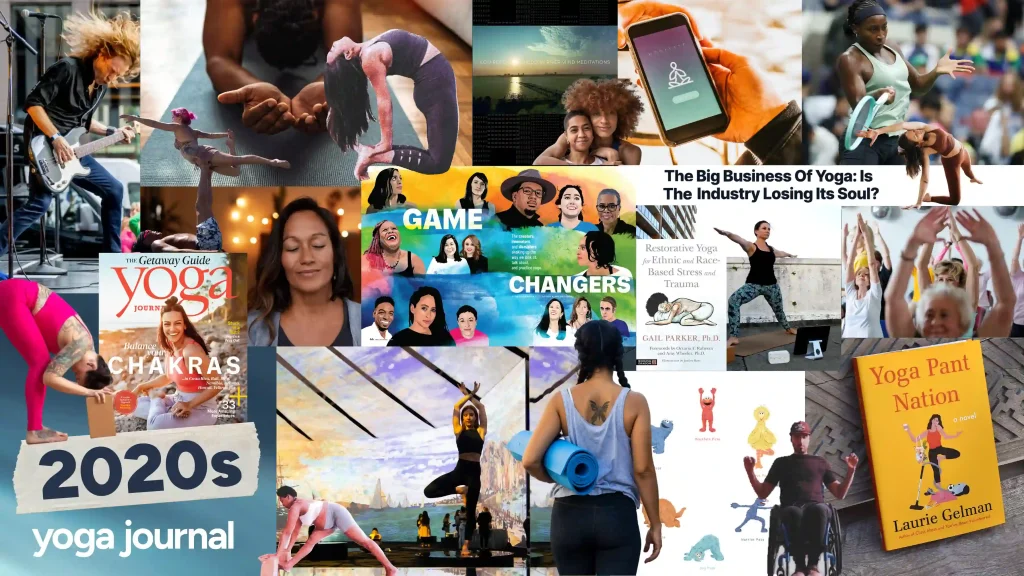
The 2020s have already brought unprecedented changes to the way Americans practice yoga. From the sudden pivot to home practice during the pandemic to the broader push for inclusivity and accessibility, the decade has transformed yoga from a studio-centered activity into a flexible, widely available practice that meets the needs of a diverse population.
The Pandemic Shift: Yoga Moves Home
The year 2020 marked a pivotal moment when home yoga became the norm rather than the exception. Lockdowns and stay-at-home orders forced the closure of studios, gyms, and community spaces, leaving practitioners isolated and seeking ways to manage stress and anxiety. Yoga offered a solution: a way to calm the mind, regulate the nervous system, and maintain a sense of routine and normalcy.
Online platforms quickly adapted to meet the surge in demand. Teachers uploaded classes to YouTube, streamed sessions on social media, and embraced videoconferencing tools like Zoom. This shift not only preserved access to yoga instruction but also created new opportunities for community and connection—even while physically apart. Channels such as Yoga With Adriene saw subscriber numbers skyrocket, reflecting a collective turn toward yoga as a coping mechanism during a period of widespread uncertainty.
Home Practice and the Rise of Flexibility
Practicing at home introduced new dynamics in yoga participation. Freed from studio mirrors and crowded rooms, individuals became less self-conscious and more focused on personal experience rather than external perfection. Micro-practices of 5–30 minutes became common, making yoga more approachable for those balancing work, childcare, or other commitments.
The diversity of available styles expanded as well. Vinyasa practitioners explored restorative or yin yoga, while beginners discovered hatha or meditation-focused sessions. Online accessibility removed geographic and social barriers, allowing students to learn from teachers across the globe and prioritize personal resonance over celebrity instruction.
Studios, Teachers, and the Industry Response
While online practice flourished, the pandemic posed serious challenges for in-person studios. Many operated on thin margins, and closures during 2020–2021 caused roughly 30–50% of studios in the U.S. to shut down permanently. Teachers, particularly independent contractors, faced unstable income and had to adapt quickly to online teaching models. Some thrived financially through virtual classes reaching larger audiences, while others struggled to maintain revenue streams.
This period prompted a reevaluation of the yoga industry’s infrastructure, with studios, apps, and wellness brands rethinking accessibility, sustainability, and audience engagement. Online classes, digital subscriptions, and hybrid models became critical components of long-term strategy.
Stress and the New Motivation for Practice
A key shift in the 2020s has been the reasons people come to the mat. Stress relief and mental health emerged as top motivators, replacing flexibility and physical fitness as primary goals. Slower, restorative practices like yin yoga, yoga nidra, and meditation gained popularity, aligning with a collective need for calm and emotional regulation in uncertain times.
Restorative yoga in particular demonstrated its value in addressing trauma and nervous system regulation. By teaching the body to release tension and sit with discomfort safely, these practices foster resilience, emotional awareness, and self-regulation, emphasizing yoga’s role beyond physical fitness.
Inclusivity and Accessibility in Modern Yoga
The early 2020s also saw a conscious effort to make yoga more inclusive. Teachers and studios prioritized creating welcoming spaces for all body types, abilities, and communities, including LGBTQ+ and BIPOC practitioners. Accessible yoga initiatives emphasized modifications, props, and variations, encouraging focus on individual experience over aesthetic perfection.
This shift has helped redefine the culture of yoga, moving away from rigid hierarchies and the “advanced pose” ideal, instead celebrating awareness, personal growth, and adaptability. Online platforms and local studios alike have worked to integrate these principles, making yoga a truly adaptable practice for everyone.
Technology, Apps, and the Digital Yoga Boom
The digital transformation of yoga has been unprecedented. Apps such as Asana Rebel, Alo Moves, Glo, Down Dog, and Daily Yoga expanded access to classes, tutorials, and meditations on demand. Meditation apps, including Calm and Headspace, also saw explosive growth, integrating mindfulness practices alongside physical yoga for holistic wellness.
This technological evolution has permanently altered how yoga is accessed and experienced. Practitioners can now tailor their practice to time, style, and personal goals, creating a flexible, self-directed approach that continues to thrive even as studios reopen.
Sustainability and Ethical Consumption in Yoga
Alongside access and inclusivity, sustainability has become a defining trend. Companies have emphasized eco-friendly products, recycled materials, and ethical production practices. Brands now offer discount options for slightly imperfect mats, clothing resale programs, and plant-based materials to reduce environmental impact, reflecting an awareness of yoga’s broader responsibility to community and planet.
Looking Ahead: Yoga’s Evolving Role
The 2020s are teaching us that yoga is more than a physical practice—it is a tool for emotional, mental, and social well-being. The pandemic accelerated trends that were already emerging: home practice, flexible duration, inclusivity, and mindfulness. As hybrid models of online and in-person classes continue, yoga remains a resilient practice, adapting to new challenges and offering support for all who seek balance, calm, and growth.
Whether navigating stress, exploring self-awareness, or embracing the healing power of movement and breath, yoga in the 2020s has evolved into a deeply personal, yet universally accessible practice—ready to meet the demands of an ever-changing world.